
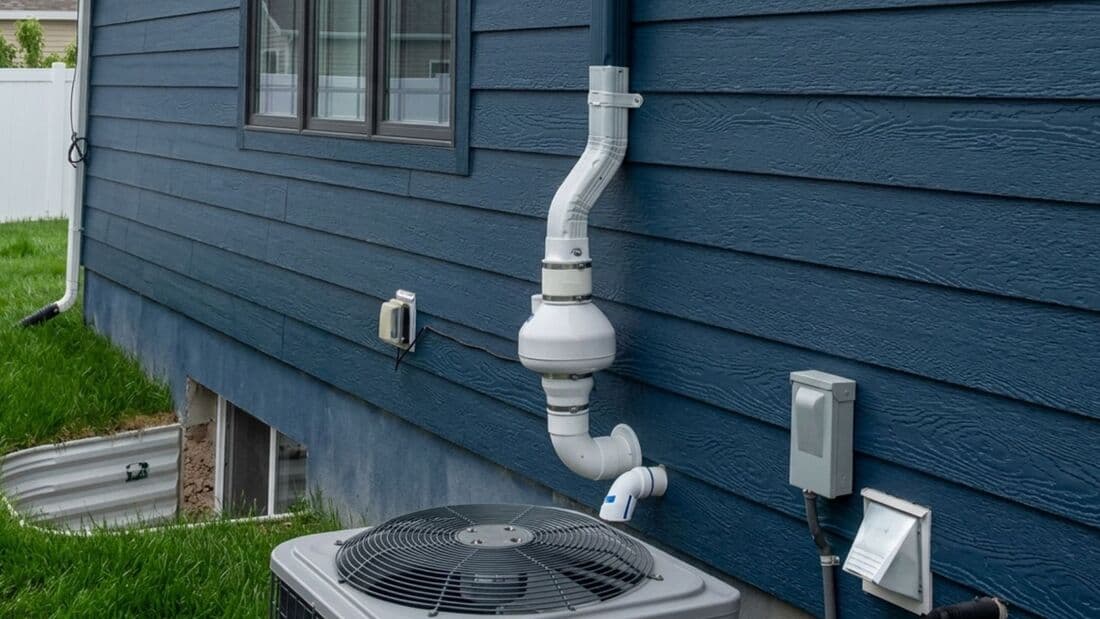
Radon, an invisible, odorless radioactive gas, can seep into homes from the soil and build up to dangerous levels indoors, significantly increasing the long‑term risk of lung cancer. The good news is that radon can be readily measured and in most cases, reduced with some simple steps. Through testing, sealing, ventilation and mitigation, you can safeguard your family’s health, without significantly altering the home.
1. Test Your Home for Radon
The first step is to check if you have elevated levels of radon. You can use a short‑term or long‑term test kit, following the manufacturer’s instructions and placing the kit in the lowest part of the building that people live in (typically the basement or ground floor). If levels are 4 pCi/L or above, the U.S. EPA and other agencies advise taking action. Repeat the test once mitigation has occurred to confirm the levels remain low.
2. Seal Major Entry Points
Radon can enter through foundation cracks, pipe penetrations and wall or floor cracks. Use caulk or masonry sealants to cover large gaps to help prevent gas from entering the home. This won’t remove radon, but it will help other mitigation methods work better and may reduce radon levels slightly.

3. Improve Ventilation in Key Areas
Better ventilation can help to dilute the radon and move it outdoors. This can be done by opening windows for a short period in the basement or low levels, operating fans and opening vents to promote cross‑ventilation (especially in basements and crawl spaces). This may be a short‑term solution in existing homes; in new homes, passive ventilation behind walls or under the floor can help prevent radon entry.
4. Install a Radon Mitigation System
The only effective solution for homes with high radon is a radon mitigation system, which commonly uses a sub‑slab depressurization system. A pipe is connected from the floor into the soil beneath the home and a fan is used to draw the radon gas from under the home and vent it safely out of the roof area, away from windows and doors. Certified radon professionals can create these systems for your type of foundation.
5. Address Crawl Spaces and Slab Floors
If your home has a crawl space, seal the soil with a plastic membrane and seal the edges. Next, include a vent pipe and fan to draw air from under the membrane and vent it to outdoors. For homes with a concrete slab on grade or basement, the most popular system is sub‑slab suction or other sump-style systems. In both situations, sealing cracks and openings, as well as the active system, is key to effectiveness.
6. Maintain and Re‑Test Regularly

With a mitigation system installed, make sure it’s operating, and check the fan, seals and vents regularly. Test for radon every few years, particularly after significant home renovations, HVAC system upgrades or new cracks or settling. If your radon levels increase, you may need to make changes or service your system.
7. Consider Prevention in New Construction
If you’re constructing a new house, build in radon‑resistant features. This involves placing a radon‑resistant barrier under the foundation, sealing utility penetrations and installing a passive vent pipe that can later be upgraded to an active system. Such features are much more cost‑effective to incorporate during construction than as retrofits.
Testing, sealing, ventilation, and mitigation by a qualified technician can all be used to lower the amount of radon in your home and improve its safety for your family. These proactive measures ensure good health over time and can increase the value of the home.